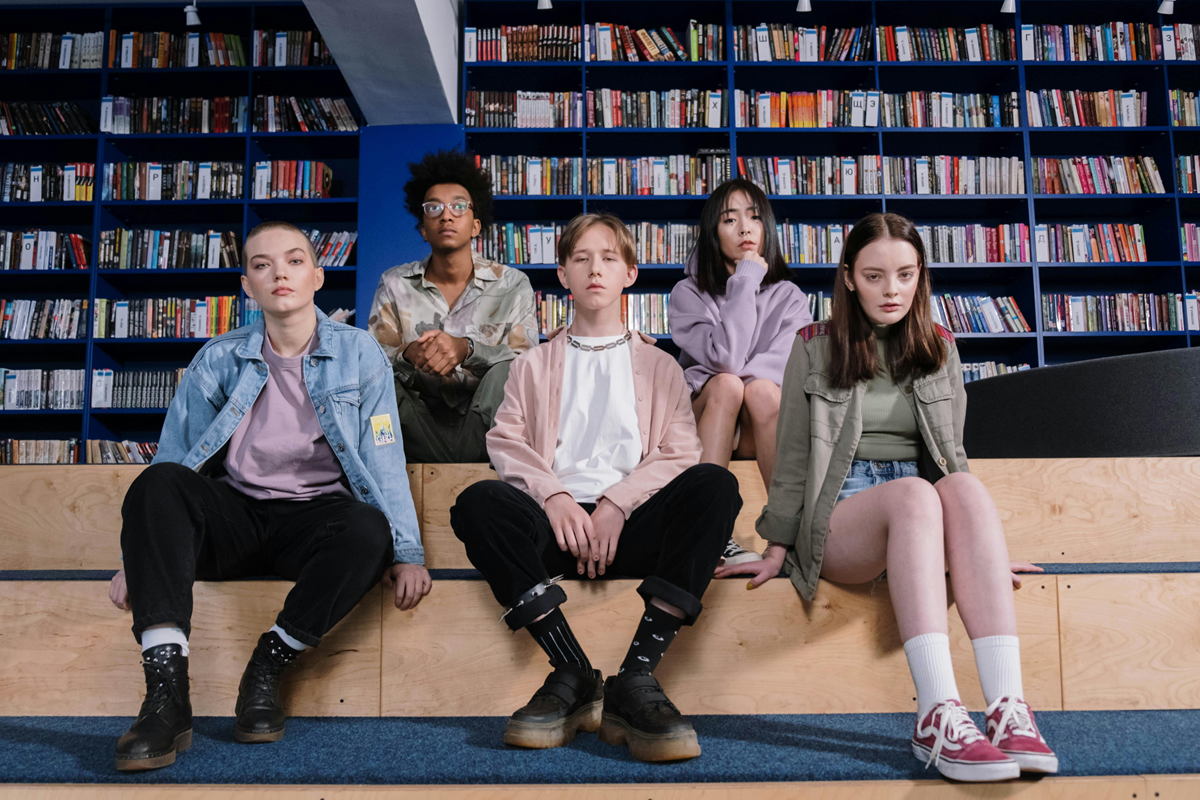
Business is shaping young minds, which isn’t new and has been going on since the very early days of advertising.
From Edward Bernays’ “Torches of Freedom” campaign to Juul’s now disastrous vaping ads aimed at teens, marketing has a real impact on how youngsters see the world and themselves.
From TV and social media, to online shopping, here are some examples.
Contents
Healthy Food Drink Options
There are a few overlooked ways that business influences how youth culture develops.
Whether deliberate or as a by-product of good marketing, teens and youngsters are indeed swayed by pop culture. Some savvy business people can use this for good, such as working with education boards to place healthy vending machines in schools to combat poor diet choices.
Even giants like Coca-Cola now put more money into advertising Coke Zero than classic, sugary Coca-Cola.
TV and Social Media Ads
Social media and TV are among the most watched by younger generations today.
Of course, linear programming is losing out to streaming options, but kids today are still bombarded with ads, even on paid streaming platforms. TV and social media ads can be used to sway younger people into a more positive mindset.
Ads such as Dove’s body positivity campaigns show younger people that everyone is different and seeking the “perfect” image can be harmful.
Influencer Business Shaping Young Minds
Influencers are, of course, among the most watched sources of information for young people today.
Around 70% of Gen-Z teens and young adults follow at least one influencer. While content creation such as images will help with a blog strategy for a small business, there is some responsibility that comes with it.
There are many stories of bad influencers. Yet there are also influencers such as Good News Source that promote positive and uplifting news stories.
Real World Retail Experiences
Retail is a part of life and growing up, and one of the first interactions in which teens gain some independence, such as shopping for clothes with friends.
It’s also a social learning experience as children learn how to interact in polite society with others, such as retail employees. That’s why some retailers, such as McDonald’s, emphasize politeness toward the kids.
It is part of marketing, but it’s also partly to help children understand that there is joy in shopping.
The Impact of Indirect Learning
Some businesses have an impact on children without most people even realizing it.
Banking institutions are a perfect example. By using workshops and offering financial advice services, banks teach adults and parents fundamental skills they can pass on to their children. Unfortunately, most people endure money issues at some point, and money management isn’t taught in schools.
So, this is one of the more positive interactions you can have with a business.
How Business is Shaping Young Minds
Healthy food and drink options in schools is a prime example of how everyday business is shaping young minds.
Of course, influencers can have a major impact on the behavior of children and teens, and even adults. Yet even banks can provide support for a stable future.